
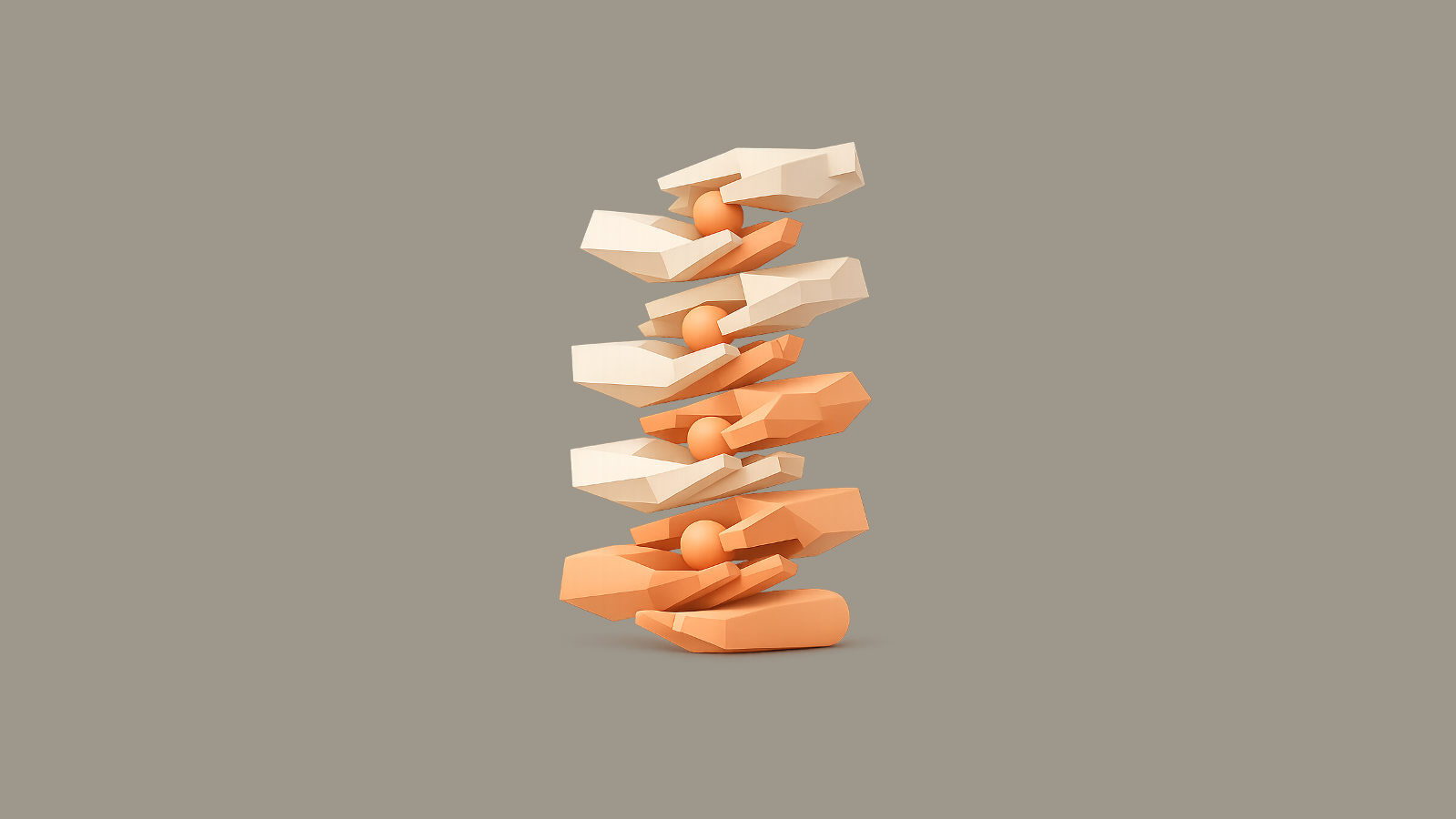
Service quality becomes real in the handoff
Service quality is how dependable, consistent, and well-handled the service feels to the customer from one step to the next. A handoff is the moment responsibility, context, and expectations pass from one person or team to another. Those moments matter because service quality is often won or lost when work changes hands.
That is why handoffs deserve more attention than they usually get. Customers experience one service, but internally that experience is carried through several transitions. Each one either protects the standard or weakens it.
Weak handoffs lower quality early
Most service problems do not start with bad intent. They start when responsibility gets vague, context arrives in fragments, or one team assumes the next team already knows what matters. The work still moves, but it arrives in a poorer condition than it left.
This is often why quality issues feel hard to pin down. The visible problem may show up later, but the real drop began earlier at the join between teams. Once the handoff weakens, the rest of the service spends energy compensating for that loss.
Good intentions cannot replace an owned transition
Teams often work hard to protect quality when a handoff is weak. People chase missing context, follow up informally, and step in to keep the experience intact. That effort can help in the short term, but it does not create a dependable service model.
The stronger move is to make the transition itself more reliable. The next owner should be explicit. The right context should arrive with the work. The receiving team should know what good looks like before the handoff lands.
Better handoffs give service quality something steadier to stand on
A strong handoff does not need ceremony. It needs enough discipline to keep the service intact as it moves. The customer knows what happens next. Teams know who owns the next step. Important details are already visible when the work arrives.
That makes service quality easier to keep under normal pressure. Teams spend less time repairing joins, less time re-explaining the same context, and more time delivering the service at the standard they intended.
The result is a service experience people can trust
The practical gain is a steadier experience from beginning to end. Customers feel better informed, teams can carry quality more consistently, and the wider operation relies less on rescue work to hold the service together.
Quality is never an accident. It is always the result of intelligent effort.
John Ruskin
This is what the title means in practice: the handoff is not a side detail in service quality. It is the point where quality is either preserved or reduced.
Three questions to set things in motion
Service quality becomes easier to protect when the handoff is treated as part of the service itself. Three questions help show where that quality is still at risk:
01
Where does the work most often arrive thinner than it left? That usually marks the handoff where service quality is already being reduced.
02
Who clearly owns the next step when the handoff lands? If that answer is vague, the service is relying on effort where ownership should already be visible.
03
What context should always travel with the work but still does not? That gap often shows why teams are repairing the same transition again and again.
Once those answers are visible, the next move becomes practical. The issue is rarely that teams do not care about quality. It is that the handoff still needs to be treated as a real operating step instead of an afterthought between steps.
Final thought: Service quality is defined by the quality of the handoff because the handoff decides whether ownership, context, and expectations survive the move. When that transition holds together, the service becomes much easier to trust.